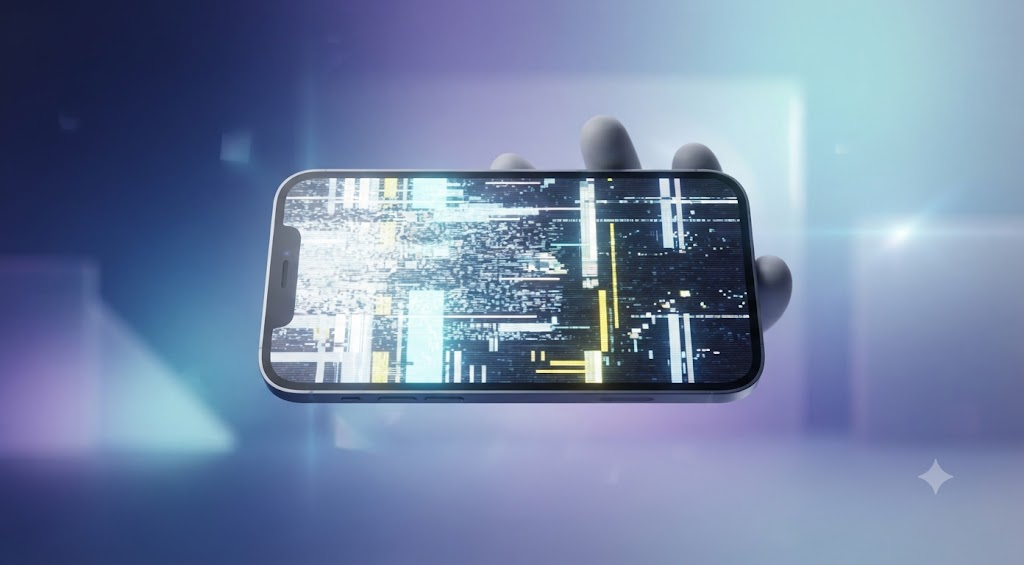
Why Is My Phone Screen Flickering, and Can It Be Fixed?
Introduction
Nothing is more frustrating than a phone screen that keeps flickering. You try to read a message, but the display flashes on and off. Apps may close without warning, and your eyes can start to feel strained after just a few minutes. It’s a problem many people face every day, and it can interrupt both work and entertainment. The real question is simple: what causes phone screens to flicker, and can you fix it yourself? The good news is that basic troubleshooting solves many cases quickly. Still, some problems need expert attention, and that’s when phone repair in Calgary may be the right next step.
| Quick AnswerSoftware glitches can cause screen flickering. Temporary bugs may overload the display driver during normal use. In most cases, a restart or update fixes the issue. For many users, the phone returns to normal without repair.Display settings can also create visual changes. Adaptive brightness and high refresh rates may make the screen look unstable. Small setting changes often solve the problem. Once the display settles, the flicker usually stops.Problem apps can conflict with graphics. New downloads sometimes bring compatibility issues. You can test this by removing or updating the app. In many cases, the flicker ends at home.Physical damage can cause hardware faults. Drops and pressure may loosen internal connections. These cases often need professional repair. A technician can restore a clear display.Failing panels or moisture can also be the cause. OLED wear and liquid damage usually get worse over time. Timely repair is the best fix. With proper service, the device can work normally again. |
The Most Common Reasons a Phone Screen Flickers
Phone screens flicker for several reasons. You catch these problems early when you understand them. Software conflicts appear suddenly during normal use. Hardware wear develops slowly over months. External damage adds complications, too. Knowing exact triggers helps you act fast. You avoid bigger headaches later.
- A Temporary Software Glitch
Random software bugs often hit your operating system. Background processes overload the graphics driver. You notice random flashes, especially during multitasking. Restarting flushes cached data quickly. Clear app cache manually for extra relief. Many phones return to normal without extra effort. Developers release fixes regularly. Stay current to prevent repeat issues.
- Display Settings Are Causing the Effect
Wrong settings create constant adjustments on the screen. Adaptive brightness shifts rapidly in changing light. High refresh rates clash with certain apps. You feel dizzy from the motion. Lower settings manually in display options. Experiment with refresh rate values. Turn off unnecessary filters. These small tweaks bring stable, clear visuals.
- A Problem App Is Triggering It
Incompatible apps fight with your phone’s graphics layer. Recent downloads introduce conflicts most often. You see flicker only inside specific programs. Force-stop suspicious apps one by one. Check reviews for similar complaints online. Update or uninstall the troublemaker. Safe mode testing confirms your findings accurately. Keep apps updated to avoid future clashes.
- The Phone Was Dropped, Bent, or Pressured
Physical impacts loosen delicate internal connections. You drop the device once, yet symptoms show days later. Pressure from tight pockets slightly bends the frame. Inspect edges for tiny cracks carefully. Use protective cases afterward. Avoid sitting on the phone. Gentle handling prevents hidden damage from worsening over time.
- The Display Connector Is Loose or Damaged
Ribbon cables inside shift from daily movement. You notice a flicker when you tilt the phone. Poor contact creates unstable signals to the panel. This issue grows gradually worse. Professionals open the device safely. They reseat or replace connectors. Proper repair restores solid connections reliably.
- The OLED or LCD Panel Is Failing
Individual pixels wear out after heavy daily use. You spot color shifts or dead lines across the screen. Manufacturing defects speed up this process in some models. Age and heat accelerate failure, too. Full panel replacement becomes the best solution. Choose high-quality parts for longevity. Your display looks brand new again.
- Liquid or Moisture Has Reached the Phone
Accidental spills seep deep into components. You wipe the surface fast, yet corrosion starts inside. Flicker appears hours or days later. Avoid common drying mistakes. Use silica packs if available. Professionals clean contacts thoroughly. Early action limits permanent corrosion damage.
- The Phone Is Overheating or Has a Power-Related Fault
Excessive heat affects display circuits directly. You play games for hours, then see problems. Faulty batteries send irregular power. Use original chargers only. Monitor temperature during intensive tasks. Close background apps to reduce load. These habits protect your entire device long term.
- A Previous Screen Repair May Be Involved
Cheap aftermarket parts fail sooner than expected. You notice issues weeks after service. Improper installation leaves weak connections. Track repair details carefully. Visit reputable shops that guarantee work. Original components ensure better compatibility and durability.
Is It a Software Problem or a Hardware Problem?
You distinguish software from hardware issues through careful testing. Software problems disappear after restarts or updates. They often tie to recent changes on your phone. Hardware faults continue despite software fixes. Movement or heat makes them worse. Combine multiple tests for an accurate diagnosis. Software covers the majority of cases, especially on newer devices. Yet hardware signals demand prompt attention. Ignoring them risks total screen failure.
What Can You Safely Try Before Booking a Repair?
You try these safe steps at home before you visit any shop. They fix many flickering issues without risk. Start from the top and work down for quick results.
1. Restart Your Phone
Restarting clears temporary software glitches fast. Hold the power button and select restart. Wait thirty seconds before you turn it back on. Test the screen thoroughly afterward. You often see immediate improvement with this easy step.
2. Install System and App Updates
Updates patch display bugs that developers discover. Go to settings and check for available downloads. Install everything while connected to a stable Wi-Fi network. Reboot your phone once finished. Your display becomes more stable after these improvements.
3. Check Whether One App Is Causing the Flicker
Bad apps create conflicts with graphics. Open recent programs one by one. Note exactly when the flicker starts. Uninstall the troublemaker right away. Update others to prevent similar problems later.
4. Turn Off Adaptive Brightness and Display Filters
Adaptive settings cause rapid, unwanted changes. Switch to manual brightness control instead. Disable blue-light and night-mode filters too. Test different levels until you find comfort. Steady visuals reduce eye strain effectively.
5. Test the Phone in Safe Mode on Android
Safe mode disables third-party apps safely. Activate it through the power menu. Use your phone normally for a while. If the flicker stops, you have found the cause. Remove problematic apps after you exit safe mode.
6. Try a Different Charger and Cable
Faulty chargers create power instability. Use a known good certified charger and cable set. Charge and observe screen behavior closely. Switch back if issues disappear. This step quickly rules out simple power faults.
7. Let the Phone Cool Down
Overheating strains display circuits badly. Close heavy apps immediately. Place the device in a cool area. Wait until the temperature returns to normal. Avoid intense use until it cools completely.
8. Back Up Your Data Before Trying a Factory Reset
A factory reset resolves deep-seated software issues. Save photos, contacts, and files first. Perform the reset only as a last resort. Restore your data carefully afterward. This step gives your phone a fresh start.
What Not to Do When Your Phone Screen Is Flickering
Avoid pressing hard on the flickering area. Extra pressure damages connections further. Do not expose the phone to extreme temperatures. Heat or cold worsens existing problems. Skip untrusted third-party repair apps. They rarely solve root causes. Never ignore a persistent flicker. Delaying action leads to complete failure. Always back up data first. You protect memories and information this way.
When Does a Flickering Phone Screen Need Professional Repair?
Flicker continues after all home tests, then professional help makes sense. Touch response becomes unreliable, too. Lines spread across the display. Colors look distorted permanently. These signs point to hardware damage. Experts use diagnostic tools for precise identification. They expertly replace faulty panels or cables. Professional service often includes warranties. You regain a reliable phone quickly. Early repair saves money compared to full replacement later.
Conclusion
Dealing with a flickering phone screen feels incredibly annoying. You tried restarts and updates, yet issues persist. Software glitches are common, while hardware faults require expert eyes. Safe home steps resolve most problems quickly. Yet you know when to seek help.
Protect your device with careful use and timely action. Enjoy smooth, reliable performance every day. Take charge now and fix the flicker for good. For lasting results, trust phone repair in Calgary.
Read More: Water-Damaged Phone? What to Do in the First 24 Hours to Improve Your Chances of Recovery