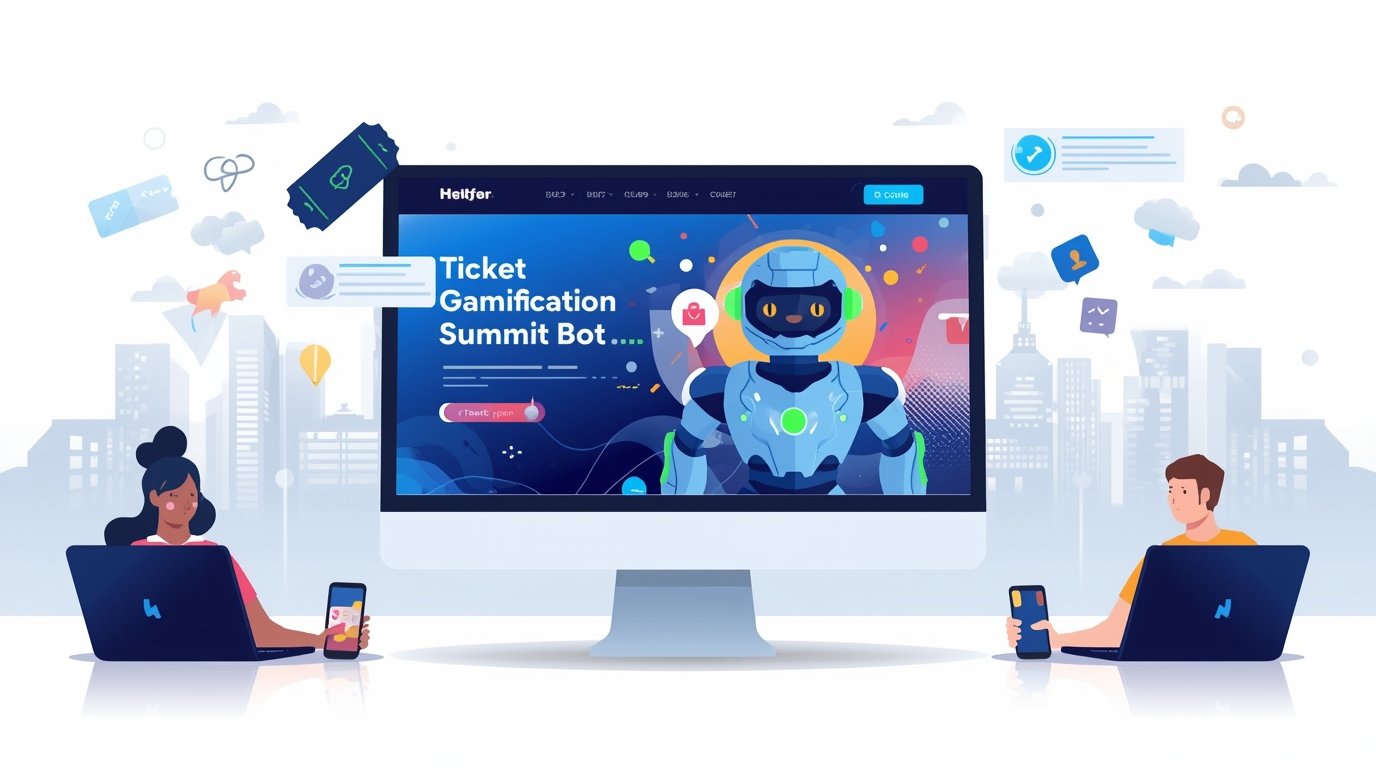
Websites for Ticket Gamificationsummit – Exploring the Future of Digital Engagement and Event Innovation
In today’s digital economy, user engagement has become the defining factor for the success of online platforms and events. Whether it’s a large-scale conference, an e-sports competition, or a virtual product launch, keeping audiences involved and entertained is essential. One of the most promising methods for achieving this is through ticket-based gamification systems that combine participation, technology, and reward-driven experiences. The concept has evolved from simple online ticketing into complex engagement ecosystems that use psychology, storytelling, and digital tools to transform how users interact with brands. iaoegynos2
As technology continues to shape how we attend events and interact online, websites for ticket gamificationsummit have become an essential part of this innovation. These platforms are redefining how tickets are purchased, shared, and experienced. Instead of being a mere entry pass, a ticket now acts as a key to a broader, interactive digital world. This article explores the intricate layers of these modern systems, examining how they blend user psychology, data analytics, and game mechanics to create compelling online journeys. thegamearchives
Understanding the Concept of Ticket Gamification
Gamification is not a new idea—it involves applying game elements such as points, leaderboards, and rewards in non-game contexts to motivate participation and enhance engagement. When this principle is applied to ticketing systems, it turns the process of buying and using tickets into an experience in itself. Attendees are not just passive participants; they become players in an interactive environment that rewards their curiosity, loyalty, and enthusiasm sites for ticket gamificationsummit.
In recent years, websites for ticket gamificationsummit have expanded the boundaries of what online events can offer. Organizers now have the tools to design interactive challenges, digital treasure hunts, and live competitions directly linked to ticket access. By doing so, they transform pre-event promotion, on-site activities, and post-event interactions into one continuous gamified loop. This dynamic not only drives excitement but also increases retention and brand recall. thehometrotters
The Psychology Behind Gamified Ticketing
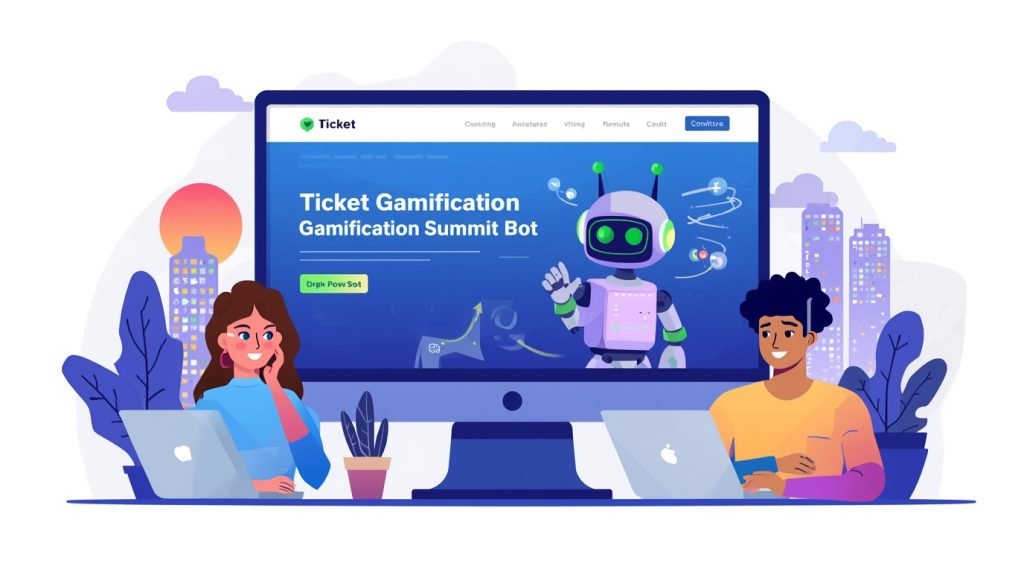
At the core of every successful gamification strategy lies behavioral psychology. People naturally seek recognition, achievement, and progress. A well-designed system taps into these needs by providing users with visible goals and instant feedback. kdarchitects
Platforms built on websites for ticket gamificationsummit principles often utilize badges, progress bars, and tiered rewards to keep users motivated. For example, a ticket buyer might earn early access or exclusive digital merchandise after completing specific engagement milestones. These incentives trigger the brain’s reward system, leading to higher emotional investment and loyalty. When attendees feel like they are part of an interactive journey rather than mere spectators, their satisfaction and likelihood to return increase dramatically. hozloxdur25
Transforming Event Marketing and Promotion
Traditional event marketing often struggles to maintain audience interest from ticket purchase to the event day. Gamified systems solve this by turning the entire journey into a story-driven adventure. Event organizers can create missions that reward social shares, referrals, or participation in pre-event quizzes. Every action contributes points or unlocks rewards, making marketing both fun and effective. uploadblog
Through websites for ticket gamificationsummit, events can build long-term engagement cycles rather than one-time transactions. For instance, an attendee who shares event updates or engages with brand content earns exclusive privileges. This strategy not only enhances visibility but also builds community-driven excitement that extends far beyond the event itself. thelaptopadviser
The Role of Data Analytics and AI
Data analytics plays a crucial role in optimizing gamification systems. Every click, share, and interaction provides valuable insights into user behavior. These insights enable event organizers to refine engagement strategies, personalize experiences, and increase conversion rates. Artificial intelligence further enhances this by predicting which types of challenges or rewards will resonate with specific audience segments. jogametech, roarbiznes, kolltadihydo, iaoegynos2, qoghundo, uploadblog.com, gonzay.com, xizdouyriz0
Platforms inspired by websites for ticket gamificationsummit leverage AI to automate engagement. For example, AI can suggest personalized missions based on previous interactions or recommend reward types that align with user preferences. This adaptability ensures that every participant feels seen and valued, enhancing both the personal and collective experience.
Enhancing Attendee Engagement Before, During, and After Events
Gamification systems operate across the entire event lifecycle. Before the event, participants engage through pre-launch missions, online leaderboards, or social sharing campaigns. During the event, live challenges, scavenger hunts, and instant polls keep excitement high. Afterward, continued rewards for post-event reviews, feedback, or referrals maintain connection. dk380c4.0-h8
By applying this model, websites for ticket gamificationsummit create a holistic user journey. The attendee experience becomes cyclical rather than linear—encouraging repeat participation, data sharing, and brand loyalty. As events become hybrid or fully digital, these engagement strategies are proving to be indispensable tools for maintaining attention spans and generating long-term relationships. qoghundos, khozicid, convwbfamily, designmode24, hssgamestick, theportablegames.
Integrating Blockchain and Digital Collectibles
Another key innovation in this field is the use of blockchain technology. Digital tickets can now exist as non-fungible tokens (NFTs), providing proof of ownership, authenticity, and uniqueness. Gamification layers add even more excitement to this model, allowing ticket holders to trade, collect, or redeem digital assets tied to their participation.
Within the context of websites for ticket gamificationsummit, blockchain integration ensures transparency and security. Each ticket or reward can carry verifiable credentials that prevent duplication or fraud. Moreover, collectible NFTs linked to event experiences—like exclusive badges or digital souvenirs—extend the sense of achievement long after the event ends.
The Economic Impact on Event Organizers
The introduction of gamified ticketing has reshaped event economics. Organizers can now create tiered ticket experiences that incentivize higher engagement and spending. Early adopters often enjoy exclusive content or rewards that justify premium pricing. The competitive nature of gamified systems encourages participants to spend more time and money within the event’s ecosystem, creating additional revenue streams. zupfadtazak
Data-driven websites for ticket gamificationsummit provide organizers with an opportunity to monetize participation through partnerships, in-game purchases, or branded missions. Sponsors can integrate themselves organically into challenges, offering rewards tied to their products. This not only increases sponsor visibility but also enhances attendee satisfaction by providing tangible benefits.
The Role of Design and User Interface
A gamification system is only as good as its design. A seamless user interface ensures that participants understand how to engage, track progress, and claim rewards effortlessly. The most successful websites for ticket gamificationsummit focus heavily on intuitive navigation and visually appealing interfaces.
Color psychology, animation, and storytelling elements guide users through each stage of interaction. Progress indicators, social leaderboards, and real-time notifications make the experience dynamic. Design consistency also helps reinforce brand identity, ensuring that every element of the gamification platform contributes to a unified experience.
Case Studies: Successful Applications
Across the world, numerous organizations have implemented gamified ticketing systems with measurable success. Music festivals have used point-based systems that reward fans for promoting artists online. Corporate summits have employed digital challenges that encourage learning and networking. In both cases, participants reported higher satisfaction, and organizers saw a notable rise in retention and referrals. gamificationsummit
These real-world examples reflect the potential of websites for ticket gamificationsummit to revolutionize participation. By integrating reward mechanics into everyday interactions, brands are able to sustain excitement before and after the event. Moreover, such systems foster community spirit, turning individual participants into active contributors.
Community Building Through Shared Experiences
Community is at the heart of gamification. Participants are more likely to engage when they feel connected to others through shared goals or challenges. Gamified ticket systems allow for collaboration through team missions, social leaderboards, and virtual meet-ups. This sense of belonging deepens emotional ties to the event and its brand. fudholyvaz
The design of websites for ticket gamificationsummit encourages cooperation as much as competition. While leaderboards highlight top performers, team-based tasks balance the system by rewarding collective effort. This inclusive structure ensures that everyone, regardless of skill level or familiarity, can participate meaningfully.
Adapting to Hybrid and Virtual Event Formats
The shift toward hybrid and virtual events has accelerated innovation in gamification. Physical boundaries no longer limit engagement; participants can join challenges from anywhere in the world. Organizers can blend on-site activities with digital missions, creating an interconnected ecosystem that extends far beyond the venue. khozicid97
With websites for ticket gamificationsummit, this transition becomes seamless. A participant attending virtually can still earn the same rewards, interact with others, and contribute to shared goals. This inclusivity expands audience reach while preserving the immersive essence of the event.
Overcoming Implementation Challenges
Despite its advantages, gamification requires careful planning. Poorly executed systems can feel forced or confusing, leading to disengagement. Event organizers must ensure that rules are clear, rewards are meaningful, and participation feels voluntary rather than obligatory.
Platforms modeled after websites for ticket gamificationsummit prioritize user testing, feedback loops, and continuous iteration. Regular updates keep content fresh, while analytics help refine the difficulty and value balance of challenges. By maintaining transparency and fairness, organizers can sustain long-term trust and enthusiasm among participants.
The Role of Storytelling in Engagement
Storytelling transforms gamification from a mechanical system into an emotional journey. Narratives help users relate to challenges and rewards by giving them context and purpose. For instance, an event might weave a theme of discovery, innovation, or competition throughout its missions.
This narrative depth distinguishes the best websites for ticket gamificationsummit from standard ticketing systems. Instead of clicking through a list of tasks, participants embark on a storyline that evolves with their progress. Every milestone feels like a chapter in a personal adventure, reinforcing engagement and memory retention. qoghundos
Measuring Success and ROI
The effectiveness of gamification can be quantified through a range of key performance indicators (KPIs). Metrics such as user participation rates, time spent on platform, social shares, and referral conversions reveal how well the system resonates with audiences. Post-event surveys further gauge satisfaction levels and perceived value.
For event organizers using websites for ticket gamificationsummit, ROI extends beyond immediate revenue. Increased brand awareness, audience loyalty, and data collection all contribute to long-term success. By maintaining engagement cycles between events, companies can build sustainable communities rather than one-time audiences.
The Future of Gamified Ticketing
Looking ahead, the intersection of gamification, virtual reality, and AI promises even more immersive experiences. Attendees may soon explore virtual venues, interact with 3D avatars, and complete missions in real-time digital worlds. These innovations will blur the line between entertainment, education, and networking.
The advancement of websites for ticket gamificationsummit signals a new era where participation becomes personalized and intelligent. AI-driven avatars could guide attendees, while augmented reality layers enhance live experiences. The integration of sensory technology might even enable real-time feedback loops that respond to participant emotions.
Sustainability and Ethical Considerations
As with all digital systems, ethical design remains vital. Overuse of competitive elements can create stress or exclusion, so balance is key. Inclusivity, accessibility, and data privacy must guide development decisions.
Responsible websites for ticket gamificationsummit platforms ensure transparency in data use and avoid manipulative practices. They focus on motivating through positivity and choice rather than pressure. Moreover, digital ticketing can contribute to sustainability by reducing paper waste and carbon footprints associated with traditional ticket printing.
Building Long-Term Loyalty and Brand Advocacy
Gamified ticket systems excel in converting one-time attendees into long-term advocates. Continuous reward cycles and exclusive content encourage participants to stay connected. Loyalty programs can extend beyond events, offering points for community participation or online engagement.
Brands using websites for ticket gamificationsummit gain access to a loyal customer base that actively promotes them. Every time an attendee shares achievements, posts badges, or completes missions, they amplify brand visibility organically. This type of user-generated promotion holds far greater authenticity and reach than traditional advertising.
Educating and Training Through Gamified Systems
Beyond entertainment, gamification also enhances learning and professional development. Corporate summits and educational conferences use ticket-linked challenges to encourage skill acquisition and networking. Participants might earn digital certificates or progress through learning levels as part of their journey.
When structured through websites for ticket gamificationsummit, such systems combine engagement with measurable outcomes. They ensure that attendees not only consume content but also apply knowledge, share insights, and collaborate effectively. This approach turns passive audiences into active learners, enhancing both personal and organizational growth.
The Power of Social Sharing and Virality
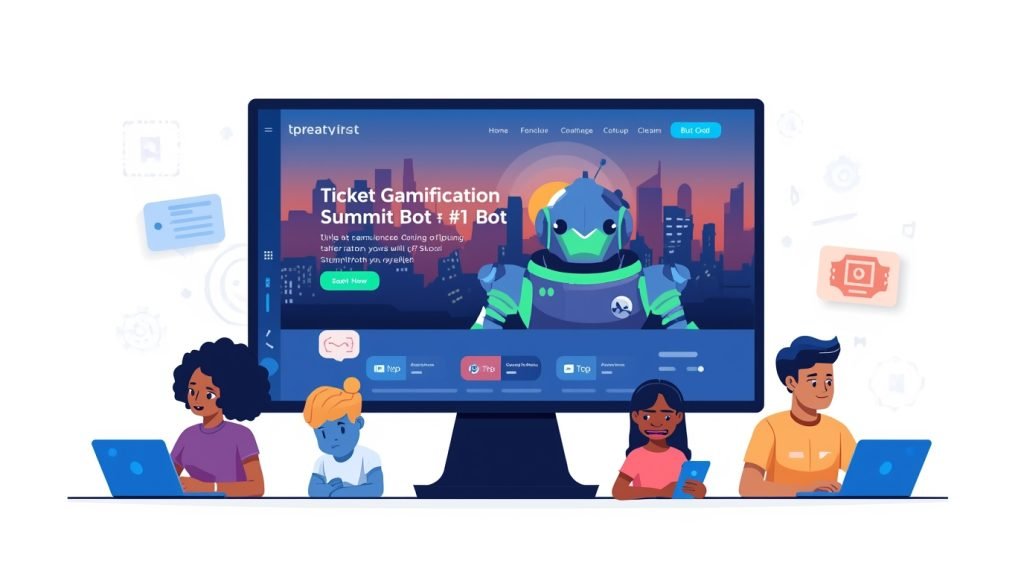
Social networks amplify the impact of gamification. By encouraging users to share achievements, earn points through referrals, or unlock badges for community interaction, events gain exponential reach. Every share acts as a micro-promotion, introducing new potential attendees and expanding visibility.
The most successful websites for ticket gamificationsummit integrate social media APIs directly into their platforms. This allows seamless posting of achievements, automatic badge sharing, and real-time leaderboard updates. Such integrations transform attendees into brand ambassadors while maintaining a sense of playfulness and connection.
Evolving Technologies and Integration
Future iterations of gamified ticketing will integrate emerging technologies like biometric feedback, augmented reality, and decentralized identity systems. These advancements will deepen personalization and security while maintaining a seamless experience.
Innovators working on websites for ticket gamificationsummit are already exploring how wearable devices could track user movement for fitness-related challenges or how voice recognition could unlock interactive missions. As digital ecosystems evolve, gamified ticketing will continue to merge entertainment, technology, and engagement into unified platforms.
Conclusion: The Dawn of Interactive Event Participation
Gamified ticketing represents a paradigm shift in how audiences experience events. No longer are tickets static objects—they are interactive gateways to shared adventures, community-building, and digital storytelling. By merging psychology, technology, and creativity, event organizers can craft experiences that linger long after the event ends.
The evolution of websites for ticket gamificationsummit underscores a future where participation becomes an active, rewarding, and personalized journey. Every interaction counts, every achievement matters, and every attendee becomes a vital part of the event’s unfolding narrative. As technology continues to evolve, so too will the potential for innovation—transforming every ticket into an invitation to play, learn, and connect in new and extraordinary ways.